How to Acclimate Plants to More Sun Without Burning the Leaves
Plants can be damaged when they move suddenly from protected, low-light conditions into much stronger sun. The leaves may bleach, scorch, turn brown, drop, or…

Helping people keep their plants healthy, happy, and growing.
Plants can be damaged when they move suddenly from protected, low-light conditions into much stronger sun. The leaves may bleach, scorch, turn brown, drop, or…
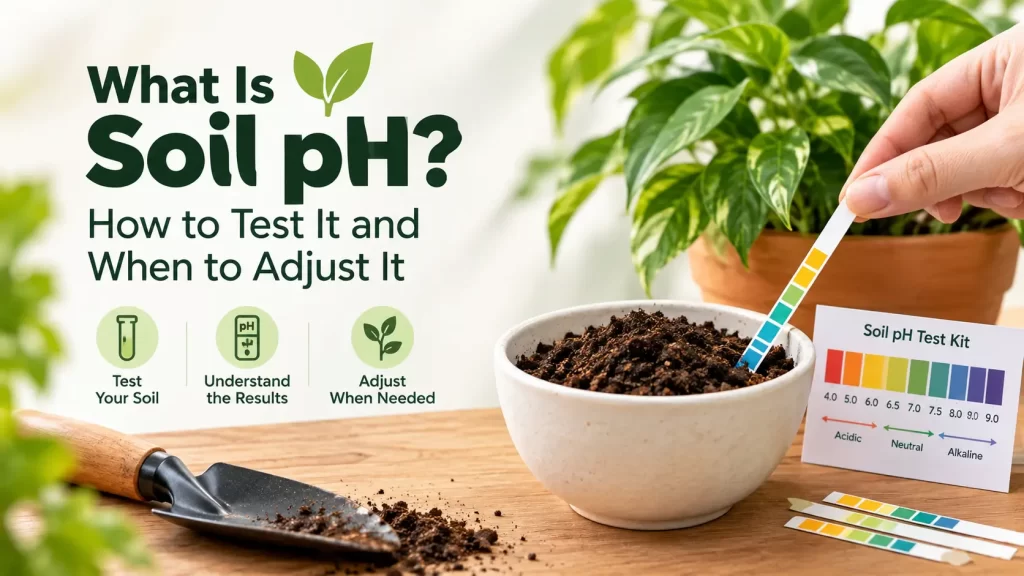
Soil pH tells you how acidic or alkaline your soil is. It matters because pH affects nutrient availability, soil biology, and which plants are likely…
Fertilizer can support healthy plant growth when nutrients are genuinely limiting. It cannot fix poor light, waterlogged roots, drought, pests, disease, compacted soil, or a…
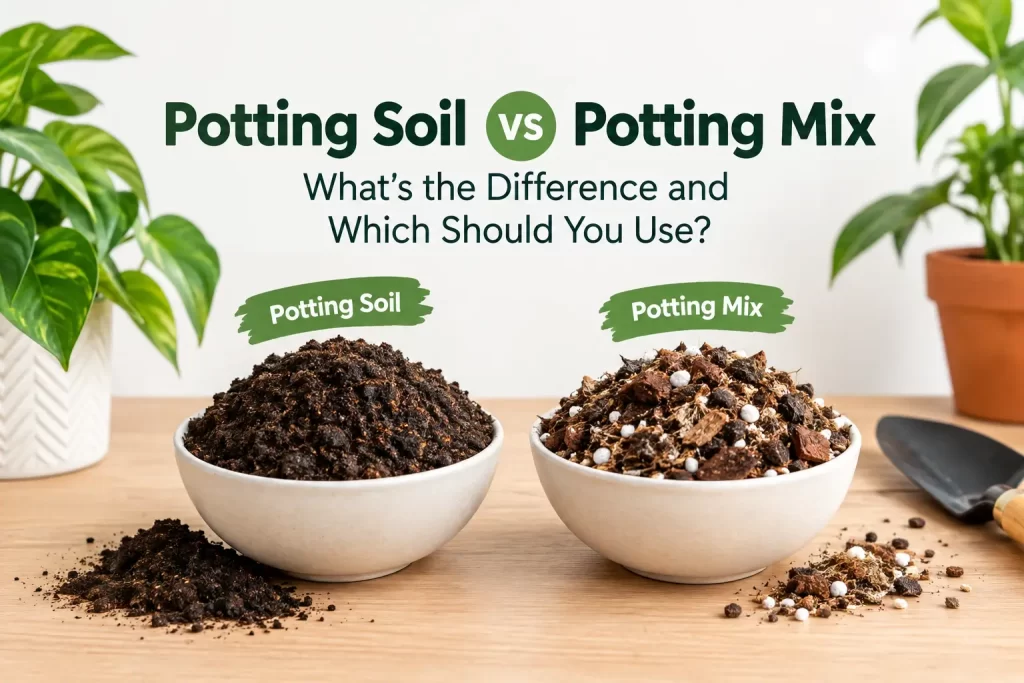
“Potting soil” and “potting mix” sound like two clearly defined products. In practice, the labels are often inconsistent. A bag called potting mix is usually…
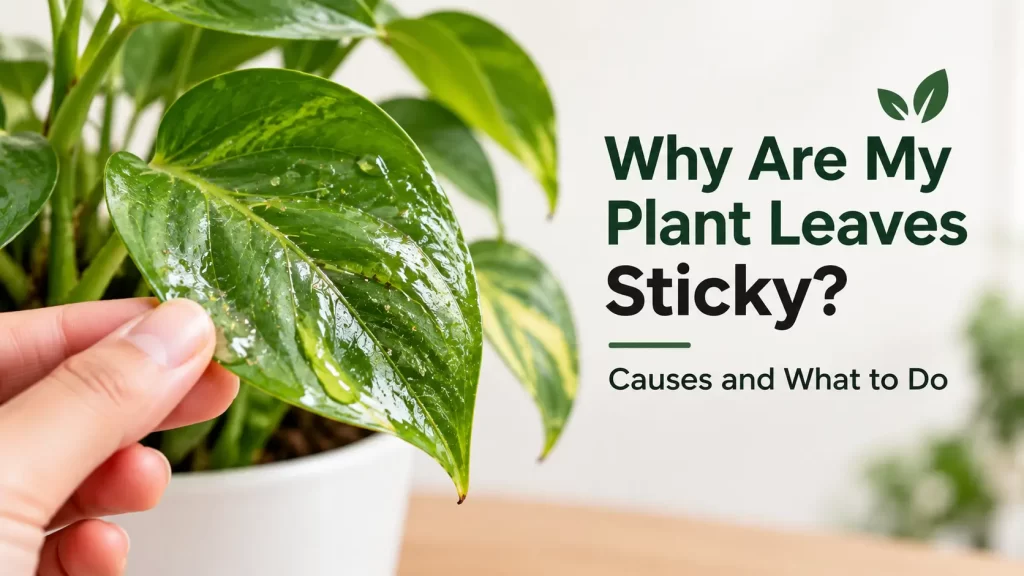
Sticky plant leaves usually point to one of two broad explanations: a sugary substance has fallen onto the leaf from somewhere else, or the plant…
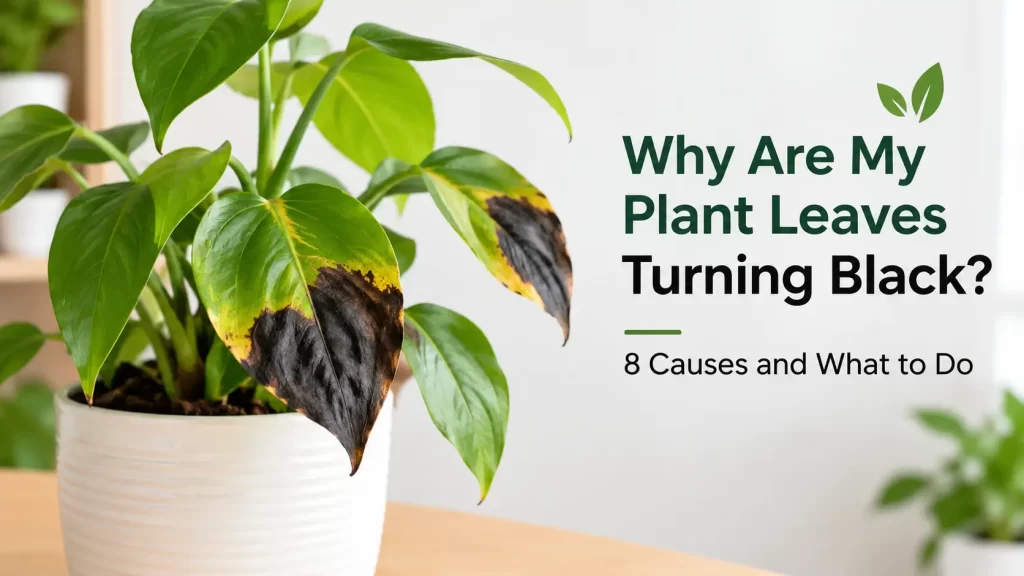
Black leaves can look like an emergency, but “turning black” describes several very different problems. Sometimes the leaf tissue itself has died and become dark…
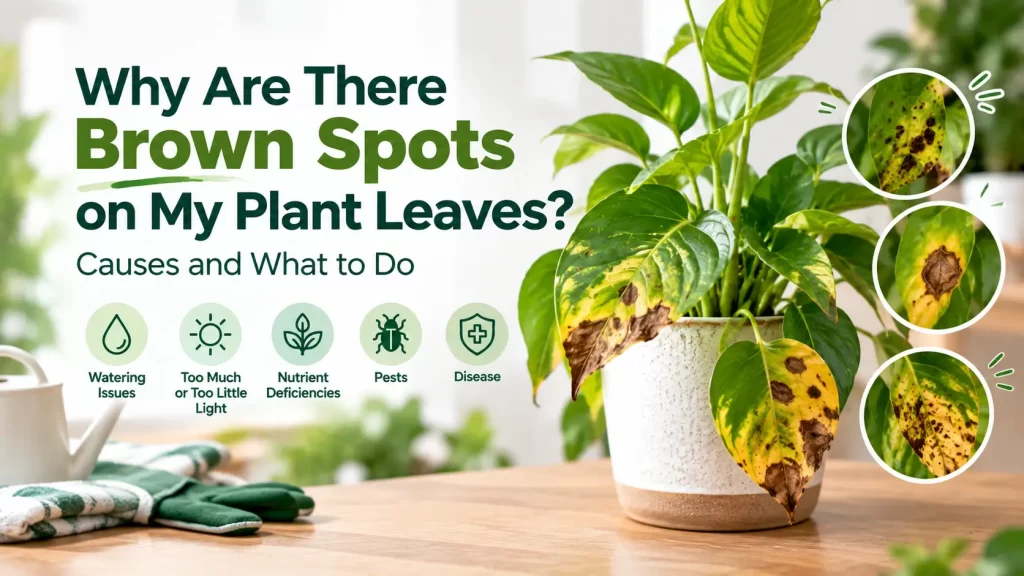
Brown spots on plant leaves can mean very different things. A dry tan patch on the sun-facing side of a leaf is not the same…
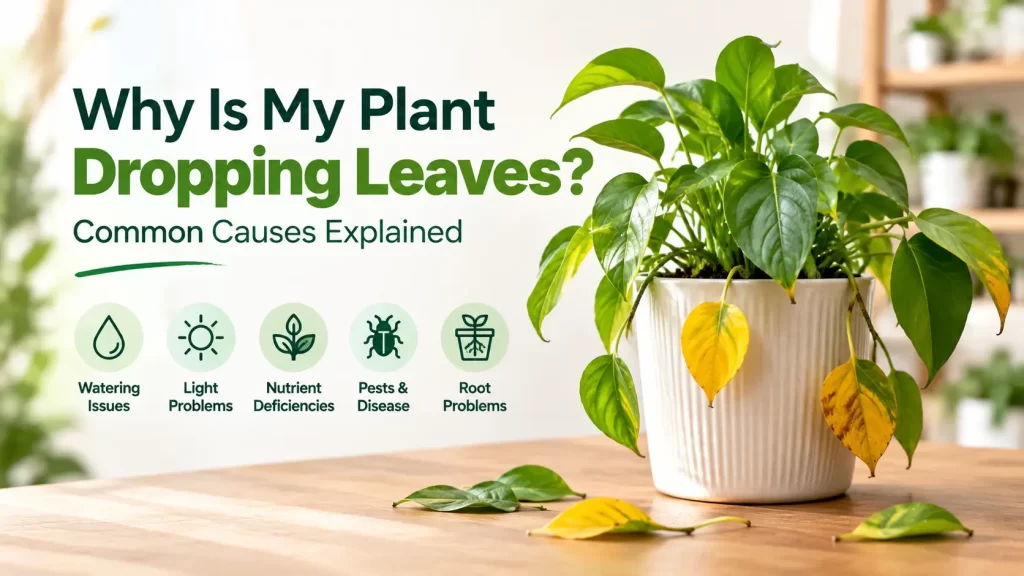
A plant dropping leaves can look alarming, but leaf loss does not always mean the plant is dying. Older leaves naturally age and fall, deciduous…
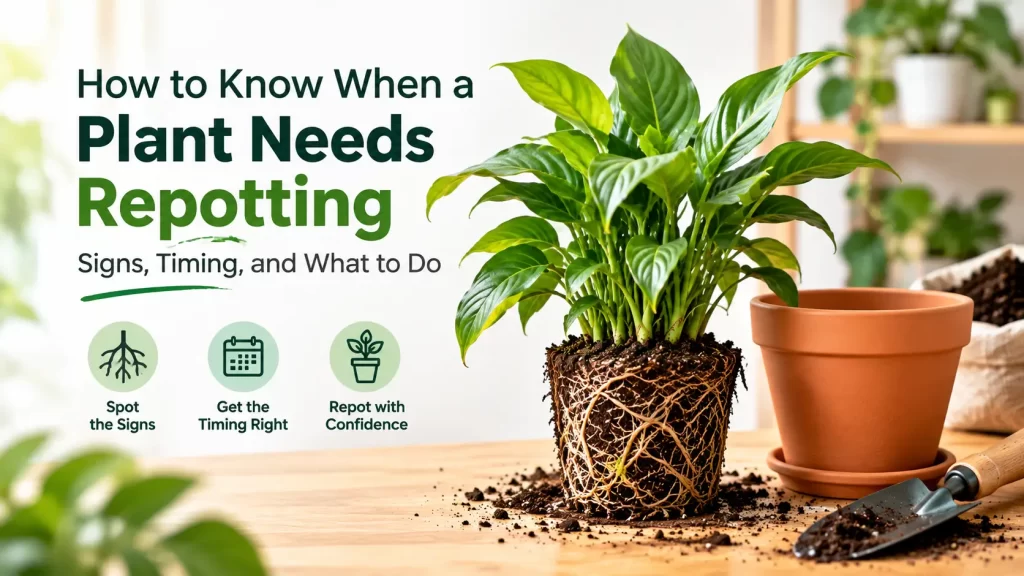
Repotting can help a container plant when its roots have genuinely run out of useful space, the potting mix has deteriorated, or the root system…
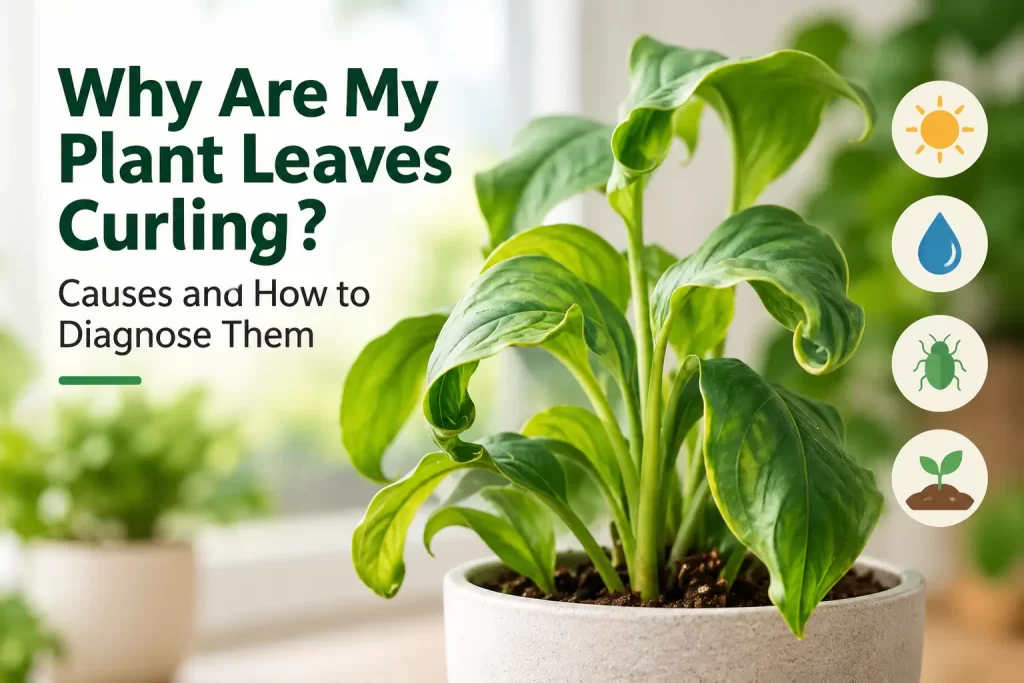
Curled leaves are a symptom, not a diagnosis. A plant may curl its leaves because it is too dry, too hot, sitting in wet soil,…